
Private and communal property explained!
Posted on |
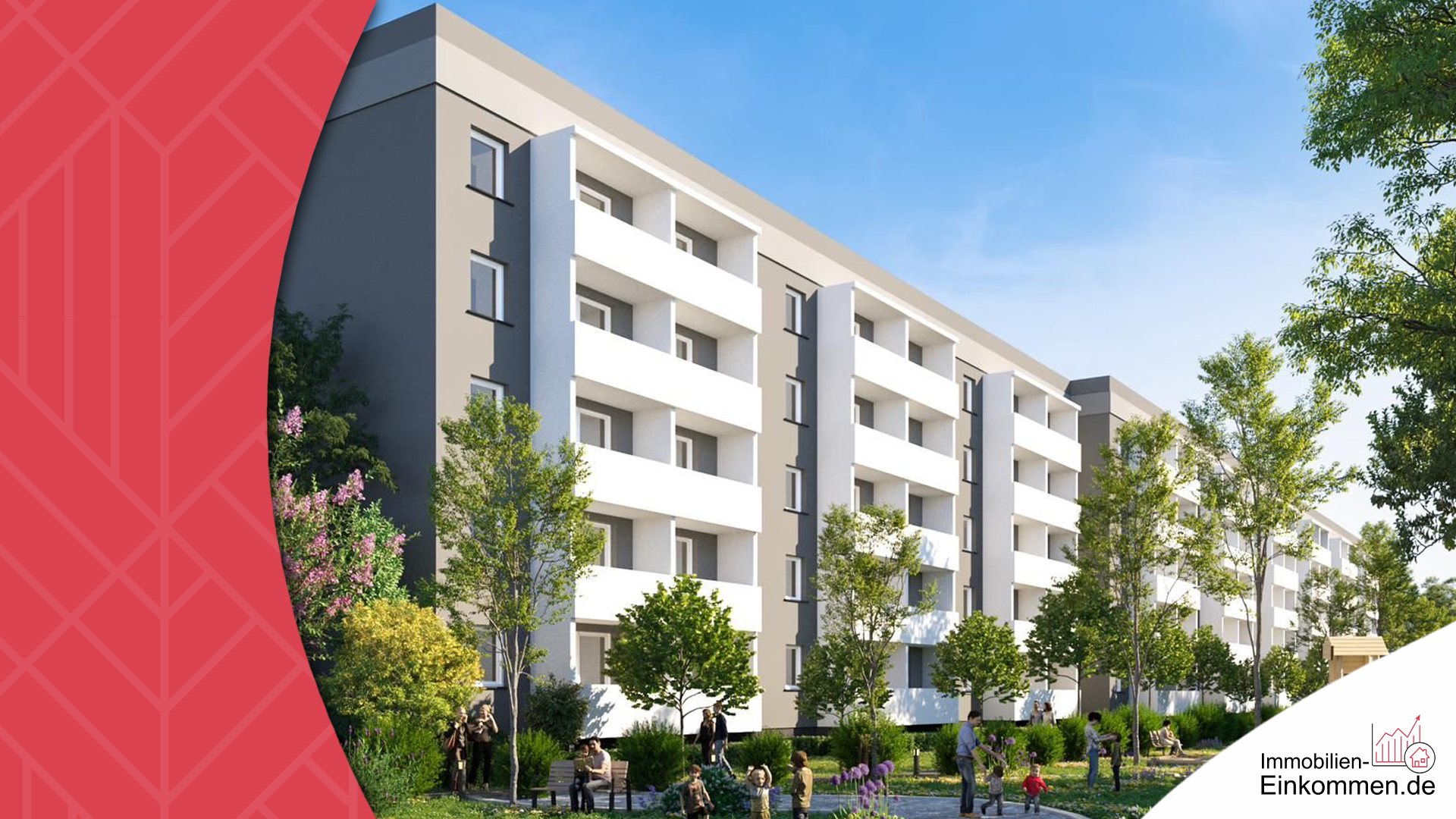
Episode 20:
Private and communal property explained!
In today's edition of our video blog you will learn whi.e. sole and joint ownership works.
Start the video here:
Investors frequently ask themselves
- What is the difference between separate ownership and common property in a condominium?
- Which rooms in a ten-apartment building are common property?
- Can a cellar room also be sole ownership of a flat?
- What happens if a room in the declaration of division is allocated for the exclusive use of a specific apartment?
- What rights does the tenant of a condominium have regarding the separate ownership?

We answer these and many other questions in our video blog episodes.
Here is the transcript of episode 20 to read through:
If you are dealing with investment property and we are talking about a flat, you will repeatedly stumble across the two terms separate ownership and common property. Imagine a ten-apartment building with ten owner-occupied flats. Then there are things in this house that everyone uses together. These things are the roof, the outer walls of the building, the stairwell, the lift. These belong to everyone.
This is communal property.
And then there is the separate ownership, which is the separate ownership of one owner. Example: You own the flat on the second floor, flat number 4. Then exclusively your tenant is allowed to use the rooms. Because it is your separate ownership. All rooms of flat 4 are allocated to this flat. A balcony is attached to flat 4. That means: this balcony may only be used by your tenant, because it belongs to your flat after all. It is the separate ownership of your flat number 4.
To stick with the example: in the basement, there is a cellar room. In the deed of division, there is a plan and the number “4” is written in one of the rooms. This means that this cellar room is allocated to your flat and may be used exclusively as private ownership by your tenant. If you have a ground-floor flat and there is a garden, perhaps separated by a hedge, or a patio, then this garden and this patio may only be used by your tenant.
However: it is either sole ownership that belongs to your flat, or if it cannot be separated off directly because it is a hedge, then it can also sometimes be the case that the garden is common property, but a right of exclusive use has been assigned exclusively to your flat in the declaration of division. A right of exclusive use. This means no one in the building, no one else may use this garden. Only the tenant of your flat.
This is how the distinction between separate ownership and common property arises.
Keywords:
investment property, flat, block of flats, deed of division, sole ownership, common property, right of exclusive use
 English (UK)
  Deutsch